A beautiful bouquet deserves to last more than a couple of days. The good news is that with a few small habits, you can keep fresh flowers looking their best for a week or longer. Here's what actually makes a difference.
1. Trim the stems at an angle
Before placing your flowers in water, cut about an inch off each stem using sharp scissors or a knife, at a 45-degree angle. A diagonal cut exposes more surface area for water absorption and keeps the stem from sitting flat against the bottom of the vase, which can block water uptake.
2. Use lukewarm water
Most cut flowers absorb lukewarm water more easily than cold water. Fill your vase about two-thirds full, and make sure it's clean before you start — bacteria left behind from a previous arrangement is one of the fastest ways to shorten a bouquet's life.
3. Remove any leaves below the waterline
Leaves that sit underwater break down quickly and encourage bacterial growth, which clouds the water and travels up the stem. Strip any foliage that would sit below the waterline before arranging.
4. Use the flower food that comes with your bouquet
That small packet isn't an afterthought — it contains sugar to feed the flowers, an acidifier to help them absorb water, and a mild antibacterial agent to keep the water clean. If you don't have a packet on hand, a teaspoon of sugar and a few drops of white vinegar or lemon juice in the water can help.
5. Change the water every 2–3 days
Even with flower food, water clouds over time. Every couple of days, empty the vase, rinse it out, re-trim the stems by about half an inch, and refill with fresh lukewarm water. This single habit is one of the biggest factors in how long an arrangement lasts.
6. Keep arrangements away from heat, direct sun, and fruit
Warmth speeds up the aging process, so keep your bouquet away from direct sunlight, heating vents, and the top of appliances like the refrigerator or TV. It's also worth keeping arrangements away from a fruit bowl — ripening fruit releases ethylene gas, which causes flowers to wilt faster.
7. Remove flowers as they fade
As individual blooms start to wilt, take them out of the arrangement. A single fading flower can release bacteria and ethylene that affect the rest of the bouquet, so removing it as soon as you notice it helps everything else last longer.
Which flowers naturally last longer?
Some blooms are simply built to last longer than others, so it helps to know what you're working with. Longer-lasting favorites include chrysanthemums, carnations, alstroemeria, and orchids, which can easily hold up for 10–14 days with basic care. Roses and lilies typically last about a week. On the shorter end, tulips, ranunculus, poppies, dahlias, and hydrangeas are more delicate and often look their best for 3–7 days, even with perfect care.
Care tips for a few popular flowers
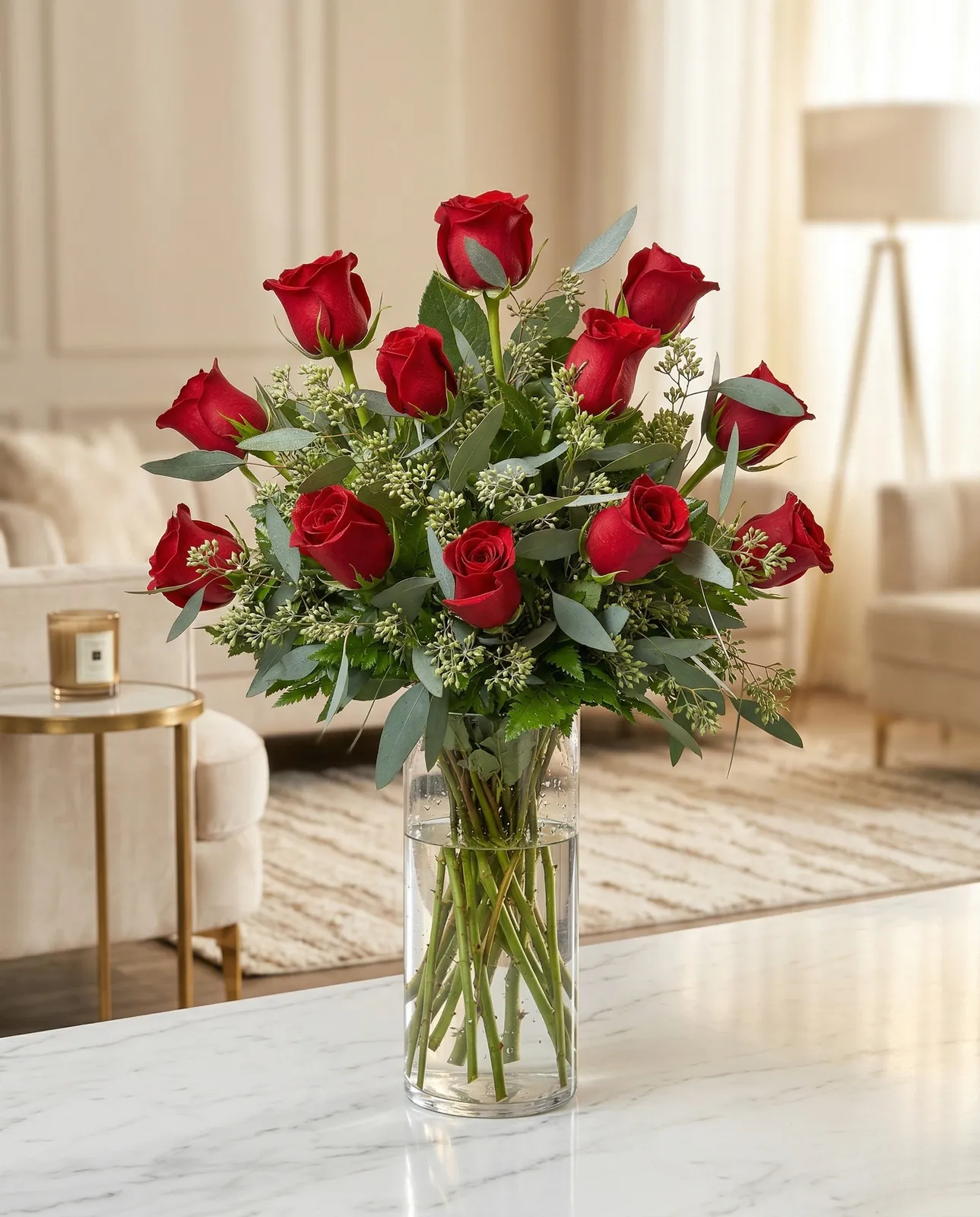
- Roses: Strip any thorns and leaves that would sit underwater, and re-cut the stems every few days. Roses are especially sensitive to warmth, so keep them somewhere cool.
- Tulips: Unlike most flowers, tulips actually prefer cold water and keep growing slightly after they're cut. Use less water in the vase than you would for other flowers, and expect them to lean and stretch toward the light — that's normal.
- Sunflowers: These are heavy drinkers. Give them a deep vase with plenty of water, check the water level daily, and strip any leaves that would sit below the waterline.
- Hydrangeas: If the blooms start drooping, try fully submerging just the flower heads in a bowl of cool water for 20–30 minutes — it often revives them.
- Lilies: Gently remove the orange stamens once the flowers open. This keeps the pollen from staining fabric or furniture, extends the bloom's life, and is worth doing anyway if you have cats, since lily pollen is toxic to them.
Frequently asked questions
How often should I really change the water?
Every 2–3 days is the sweet spot. If the water looks cloudy or has an odor before then, change it right away.
Is tap water okay to use?
Yes, room-temperature or lukewarm tap water works fine for most flowers. If your water is very hard or heavily chlorinated, filtered water can help the blooms last a bit longer.
Do I actually need the flower food packet?
It helps, but it's not the only option. A teaspoon of sugar with a few drops of white vinegar or lemon juice per quart of water is a reasonable homemade substitute.
Why are my flowers wilting so quickly?
The most common culprits are old water, a warm spot near sunlight or heating vents, and nearby ripening fruit releasing ethylene gas. Working through the tips above usually solves it.
The bottom line
None of these tips take more than a minute or two, but together they can add real days to the life of your bouquet. Every arrangement we design is hand-picked and prepared fresh — a little care at home is what carries that freshness the rest of the way.