"When should I actually book a florist?" comes up almost as often as the cost question — and getting the timing wrong in either direction has real consequences: book too late and your date or favorite blooms may not be available; lock in every detail too early and you may end up redoing choices as your vision evolves. Here's a realistic, milestone-based timeline.
The short answer: 6-12 months out, with a real minimum of 2-3 months
Industry-wide, wedding florists are typically booked 6-12 months in advance, with 8-10 months considered the sweet spot for maximum flexibility on date, design, and flower selection. That said, we recommend booking at least 2-3 months in advance as an absolute minimum, especially during peak wedding season. The earlier window isn't about needing that much lead time to design your florals — it's about locking in your date before a florist's calendar fills up, particularly for weekend dates in the busier months.
12+ months out: research and rough budget
This is the vision-board stage — collecting inspiration photos, getting a rough sense of your color palette, and setting a realistic floral budget range (our wedding flower cost guide is a good starting point for that). You don't need to have anything finalized yet, but having a general direction makes the first florist conversation much more productive.
6-9 months out: book your florist and lock the date
This is when to actually reach out and secure your date on a florist's calendar. At this stage, we walk through your venue, guest count, and overall vision to build a real quote — you don't need every detail nailed down, but having your date, venue, and rough guest count confirmed makes this conversation far more useful than showing up with only inspiration photos.
3-4 months out: finalize your design details
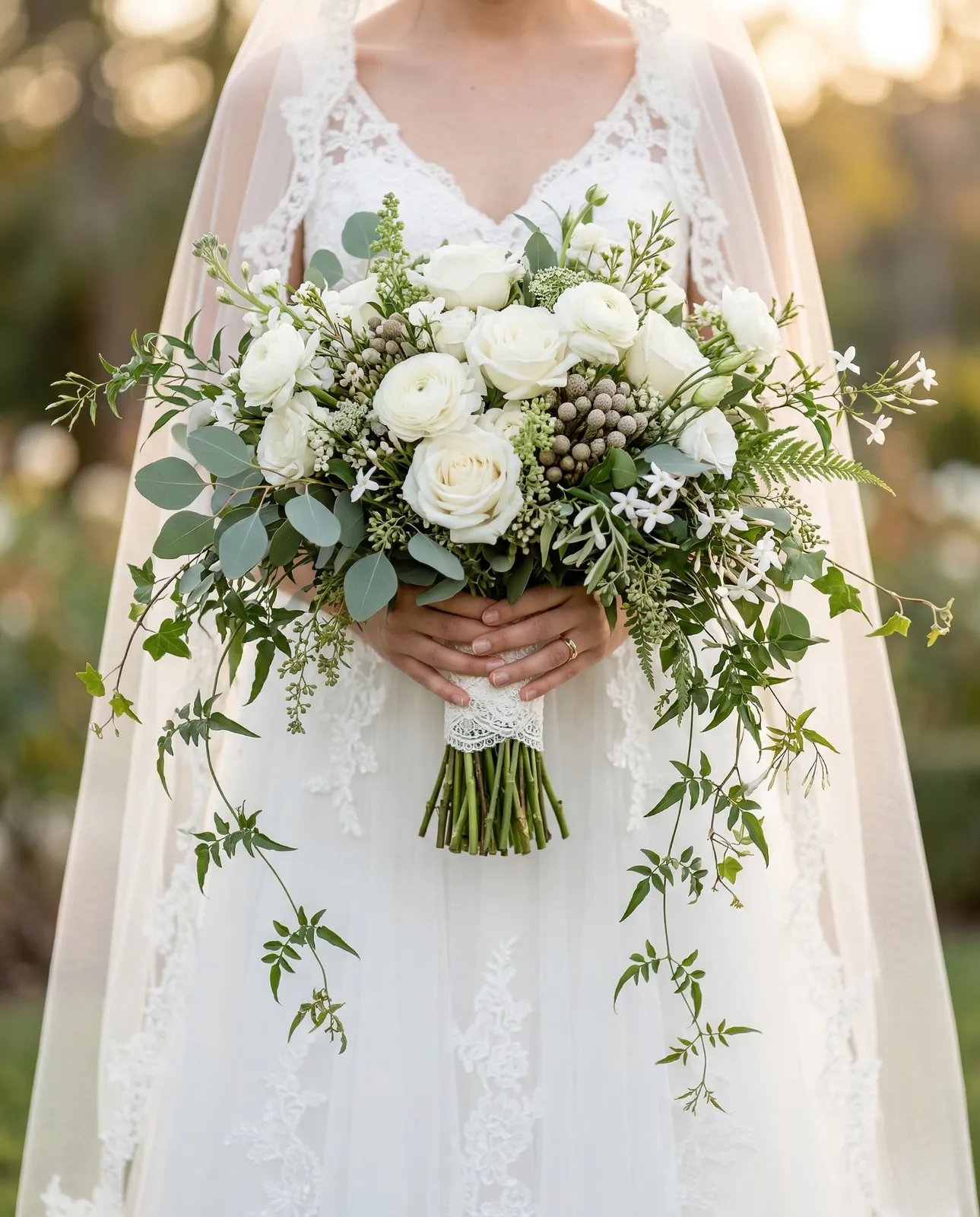
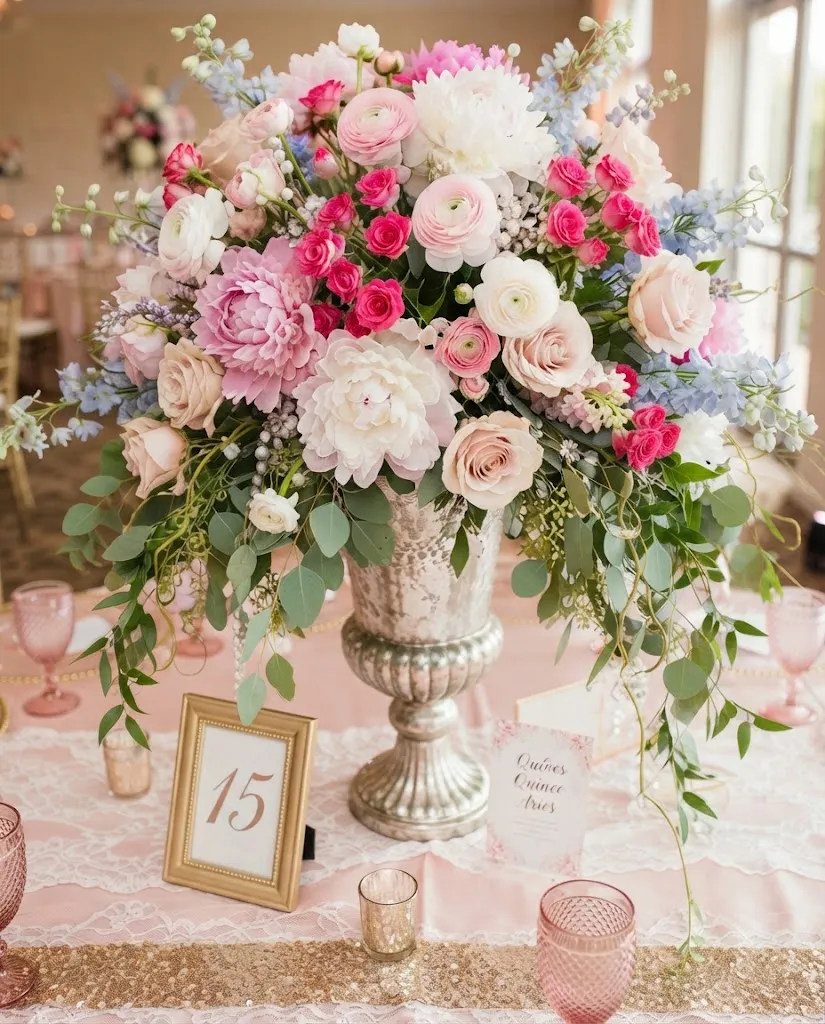
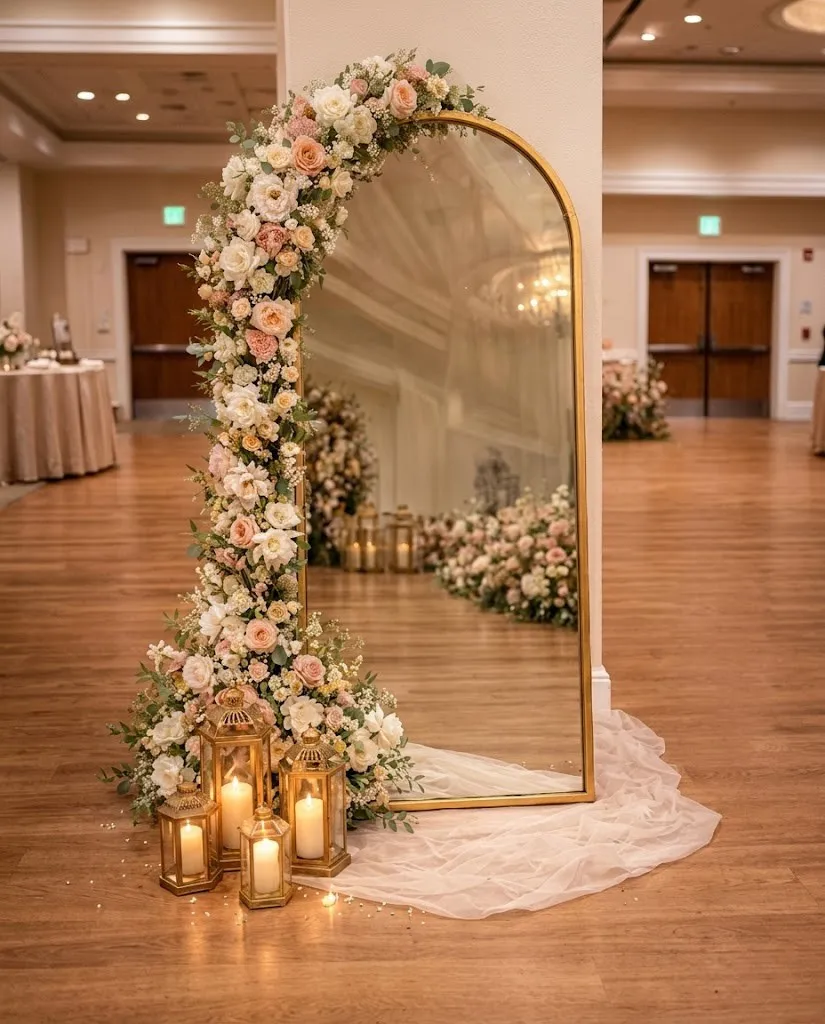
This is typically when specific flower and color choices get finalized — bouquet style, centerpiece height, whether you're doing a ceremony arch, and how ceremony flowers will be repurposed for the reception if that's part of your budget plan. If your wedding falls in Florida's peak season (roughly October through April, when the weather is mildest), this is also a good checkpoint to confirm availability for anything less common, since popular blooms can sell out for in-demand weekends.
4-6 weeks out: confirm logistics, not just flowers
This is the stage that's easy to overlook: confirming the actual delivery-day logistics, not just the flower choices. That means walking through where deliveries can be dropped off at the venue, whether there's a loading area or elevator access, what time the venue opens for setup, and who the point of contact is that day. For a two-venue wedding (ceremony and reception at different locations), this is also when to confirm both addresses so setup and delivery timing works for both.
1-2 weeks out: final headcount and contact details
Final guest count changes (which affect centerpiece count), a confirmed final payment, and a single point-of-contact phone number for the wedding day itself — ideally someone other than the bride or groom, like a maid of honor or day-of coordinator — should all be locked in during this window.
The week of: delivery and setup day
Bouquets and boutonnieres are typically delivered the morning of, timed around hair and makeup schedules, while ceremony and reception installations (arches, centerpieces, aisle décor) are usually set up a few hours ahead of guest arrival, depending on venue access. This is exactly the kind of detail that gets confirmed during the 4-6 week logistics check above, so nothing is being figured out for the first time on the wedding day itself.
What if you're already inside the 2-3 month window?
It happens — a venue books faster than expected, or wedding planning simply gets pushed back. It's still worth reaching out; a shorter timeline mainly narrows your options on less-common blooms and very popular weekend dates rather than making a wedding impossible to plan for. The honest tradeoff is fewer choices, not no options at all.
Questions worth bringing to your first consultation
A first florist conversation goes faster and produces a more accurate quote when you come with a few basics already sorted out:
- Your wedding date and both venue addresses, if ceremony and reception are in different locations.
- A rough guest count, since that drives the centerpiece count directly.
- A general color palette or a few inspiration photos — you don't need a finished vision, just a starting point.
- Whether you're leaning full-service or want to handle some pieces yourself, since that changes the quote structure.
- Any must-haves, like a specific flower with sentimental meaning or a strict allergy to avoid.
See it before you book it
If you're still early in the research stage, our real wedding portfolio is a useful way to see actual past work — bouquets, arches, and centerpieces we've designed for Tampa Bay couples — before your first consultation.
Frequently asked questions
What's the minimum notice Divine Flower Decor needs for a wedding?
We recommend at least 2-3 months, though reaching out even with less lead time is still worth doing — it mainly narrows the options on less-common blooms and very popular dates.
When should I finalize my exact flower choices?
Around 3-4 months before the wedding is typical, especially for anything less common that could sell out for a popular weekend date.
Do I really need to go over delivery logistics in advance?
Yes — confirming the drop-off location, access, and a day-of contact person 4-6 weeks out avoids last-minute scrambling and is one of the most commonly overlooked planning steps.
Does peak wedding season in Florida affect timing?
Yes — Florida's wedding season generally runs October through April, when demand for florists and popular blooms is highest. Booking earlier within that window gives you more flexibility.